

Have you been looking for a job for a long time? Here's what a modern resume for the IT industry should look like
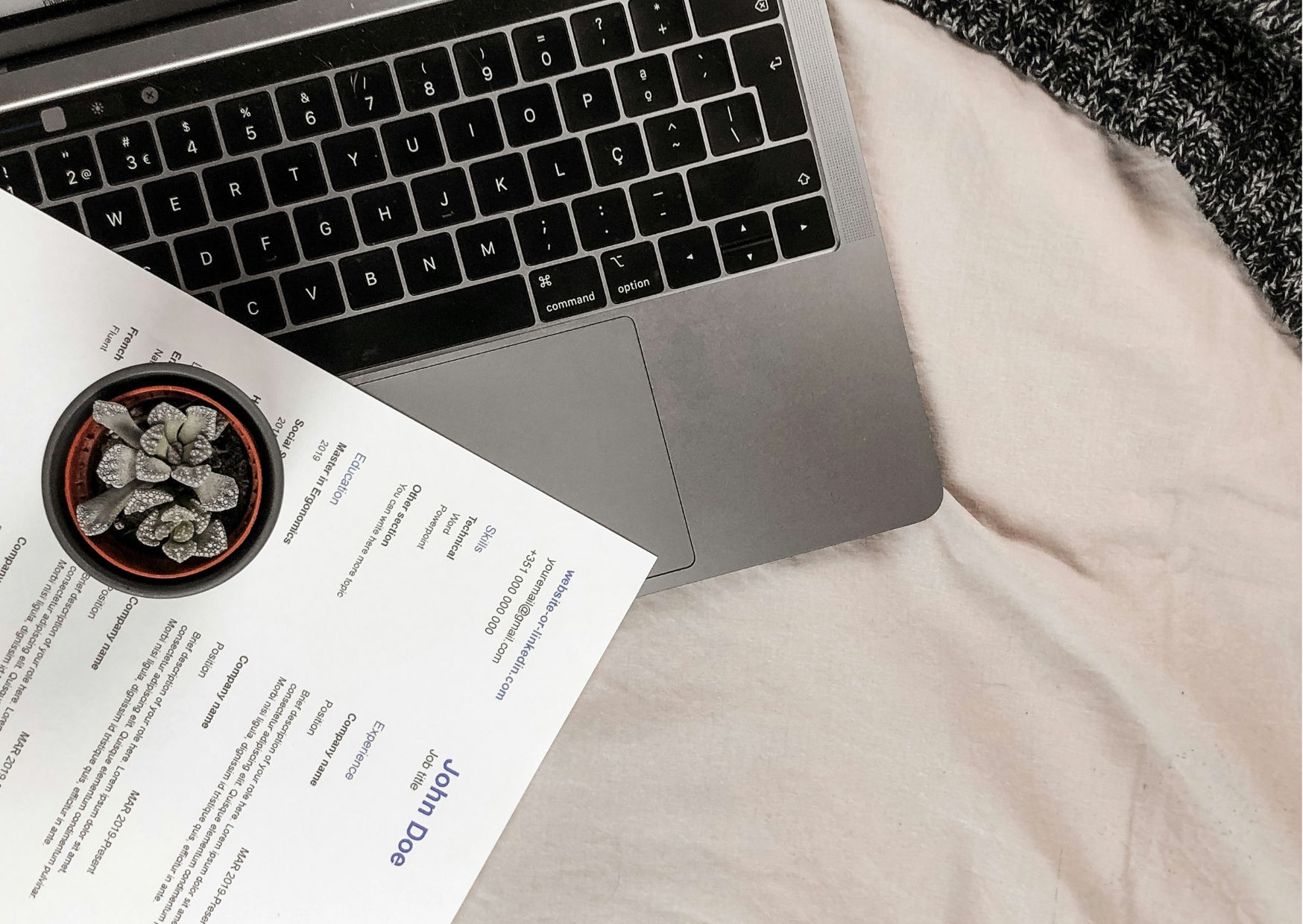
As the IT industry evolves, so does the competition and the demands on resumes. Also, new technologies in recruiting require a new approach to resume creation, and this applies to everyone. If you haven't updated your resume for a long time or are just starting your career in IT, we recommend investing time in creating a good resume.
General resume requirements for the IT sector
A modern resume for an IT specialist should not be longer than one page. You can have links to a portfolio, GitHub or other necessary resources, but the resume itself should be short. On average, a recruiter spends 6 seconds reviewing one resume, so your level and potential should be clear in these few seconds. Therefore, we write without unnecessary water, only on the facts and only what meets the requirements of the vacancy.
Another important thing is that recruiters often use ATS systems that automatically scan resumes for relevance, so you should take care of the reader structure and the presence of keywords from the vacancy.
Key sections of a modern IT resume
Personal information
It's simple: add your name, location, phone number, and email. Don't forget to include a LinkedIn link - it's a must-have these days, work on your profile and contacts. Photos are optional, but if you add one, make sure it looks professional.
About myself
You have literally a few sentences to interest the recruiter. Who you are, what you have achieved, what you are useful for - all this should be here. You can describe your level, what position you want to get, what your motivation or achievements are and why you want to join the new company. The length of this section is 3-4 sentences.
Ours is like this:
Frontend developer with 3 years of experience in developing web applications using JavaScript and HTML/CSS. I have experience working with Agile methodologies and am interested in creating user-friendly interfaces. At my previous job, I developed an interactive map that increased the time users spend on the site by 20%. I dream of joining a team of specialists who are eager to develop.
Here it is clear the level, the skills that a person can bring to the company. Numbers are easier to evaluate than general phrases.
Our no:
Sociable and responsible employee with work experience. I learn quickly and know how to work in a team. I want to find an interesting job with the possibility of career growth.
The information is too general, there is no understanding of your value to the employer.
Work experience
This is obviously the most important section. Describe your experience starting from the most recent, using past tense verbs and focusing on results. That is, numbers, facts, concrete examples are your best friends, describe your specific successes, completed projects, responsibilities. Show that you didn't just do the job, but you achieved success and had enough responsibility.
 Here, try to describe your experience clearly and use keywords relevant to the desired position.
Education
If you have enough work experience, just briefly describe your education, indicate the names of educational institutions (higher education is enough), years of study and a few points about your education. Emphasize what makes you a valuable specialist: additional courses, certificates, participation in conferences. Everything that is relevant to the vacancy should be here.
Skills: hard skills
Most often, for a resume for IT specialists, these skills will be key. These are skills that are acquired during training, work, that is, specific knowledge. List your technical skills: programming languages, frameworks, databases, tools. Indicate the level of proficiency and do not forget about relevance - what was popular 5 years ago may no longer be relevant, do not add something just to fill space in the resume.
Skills: soft skills
This is an important section for a resume for an IT project manager. Communication, leadership, teamwork skills are all soft skills. Don't just list them, but also support them with examples from your experience, include freelance experience, team management, and reporting skills.
Other sections:
An important section for the IT industry is the language section. Most often, you will need to know English at an appropriate level, if you know any other languages - great, add that too. Add the level of proficiency or what certificate you have.
Volunteering and hobbies – if they help you stand out and are relevant to the job, feel free to add them. But you can sacrifice these sections for the sake of keeping your resume short.
How to highlight skills and achievements for different roles
You can emphasize your skills with real examples of successes - in numbers, measurable. Describe cases that highlight your skills, here are some examples:
Example for a technical role (developer, DevOps):
- Developer: "Developed a backend system for an online store using Node.js and MongoDB, which increased order processing speed by 20%."
- DevOps: "Implemented a CI/CD pipeline using Jenkins and Docker, which reduced release time by 30%."
Example for managerial and analytical roles (project manager, business analyst):
- Project Manager: "Managed a team of 5 developers, successfully completing a mobile app project within budget and on time."
- Business analyst: "Conducted market and competitor analysis, which allowed us to increase website conversion by 15%."
Resume optimization for modern HR technologies

Imagine: you spent hours creating the perfect resume, and it doesn’t even reach the recruiter. Why? Because in today’s world, most companies use special systems for candidate selection – ATS (Applicant Tracking Systems). These programs analyze resumes for the presence of keywords, structure, and other parameters. In order for your resume to successfully pass this selection, you need to optimize it for keywords and keep a clear structure.
Keywords: speak the employer's language
ATS look for keywords in your resume that match the job requirements. Read the job description carefully and highlight key skills, technologies, and experience. Then include these relevant words in your resume – in the “About Me,” “Work Experience,” and “Skills” sections. But too much is too much! The text should remain natural and readable.
Structure is as important as content
ATSs love structured information. A modern resume format has clear headings for each section of your resume. Instead of solid text, use lists to highlight important information. This will help the ATS easily “understand” your resume and highlight key information. It will also make your resume easier to read for recruiters.
PDF format
Save your resume as a PDF. This ensures that it will display correctly on any device and preserves your formatting. No one wants to receive a resume with all the text gone and sections mixed up, and no one will care.
Choosing tools and design for your IT resume
Today, a resume is not just a document, but part of your professional brand. To impress employers, it’s not just what you write that matters, but how you present it. The right tools and design will help you stand out from the crowd and demonstrate your competence.
LinkedIn is not just a social network, but a platform for professional networking. Create a professional profile with a high-quality photo, a detailed description of your experience and skills. Add a link to your profile in your resume - this will allow recruiters to learn more about you and establish contacts for the future.
GitHub: Show your code
For developers, GitHub is a must-have. It’s a platform where you can store your code, collaborate with other developers, and showcase your projects. Include a link to your GitHub profile on your resume so employers can see your skills in action.
Portfolio
If your work is visual (design, front-end development), create an online portfolio. This can be a website or a specialized platform where you can show your best work. A link to your portfolio in your resume is an additional plus and an opportunity to interest the recruiter.
Design and structure
Forget about boring Word templates. Today there are many tools for creating stylish and professional resume designs. You can create your own resume from scratch if you have a clear idea of what your resume should look like. If you don't want to, you can use ready-made resume templates, for example, jobseeker.com
Mistakes to avoid
Mistakes that may seem too simple are actually very common. We will just remind you what to pay attention to when creating a resume:
- Grammar and spelling errors: Check your resume for errors before submitting.
- Excess information: Don't include irrelevant information on your resume, such as hobbies or personal interests (unless they are relevant to the job). Your resume has too little space for information that is of no use to the employer.
- Vague description of experience: Describe your work experience clearly and concisely, with an emphasis on achievements, without adding any water and general information that may apply to each work experience.
- Lack of keywords: Include keywords in your resume that match the job requirements. This will catch the recruiter’s eye and get through the ATS system.
- Unprofessional Email: Use a professional email address (e.g. your first and last name). You'd be surprised how many people actually make this mistake.
Conclusion
Creating and updating your IT resume is a must for success in the job market. By following the recommendations in this article, you can create a document that will help you stand out from other candidates and land the job you want.